Introduction
The development of the school garden at De La Salle School is a practical expression of the school’s Catholic and Lasallian mission. It is being developed as an inclusive space for learning, pastoral support, prayer, reflection, environmental stewardship and community engagement, enabling pupils to develop their gifts and contribute meaningfully to school life.
The garden provides opportunities for pupils to learn through practical horticultural and environmental activities, developing responsibility, confidence and skills beyond the traditional classroom. This is particularly valuable for vulnerable and less academically engaged pupils, for whom practical success can strengthen self-esteem, belonging and engagement with school.
Pupils are actively involved in the garden through the Student Leadership Team, Student Council, gardening club, intervention groups and curriculum activities. Their involvement in design, planting, construction and maintenance gives them opportunities to exercise responsibility, work collaboratively and see the positive impact of their contribution.
Faith and spiritual formation are central to the garden. Dedicated spaces provide opportunities for prayer, contemplation, reflection and pastoral support, while the garden enables pupils to explore the Catholic call to care for creation through biodiversity, habitat creation and sustainable gardening. Partnerships with local businesses, charities and community organisations further extend opportunities for service, social responsibility and community participation.
Progress and Impact Since 2023
Since 2023, the garden has developed from an unused school field into a well-used, multipurpose resource within school life. Funding has enabled the purchase of tools and materials and supported the establishment of a gardening club. Pupils from across the school have contributed to its creation, including members of the Chaplaincy Team, Pupil Leadership Team, Additional Studies groups, SEND groups and individual subject classes.
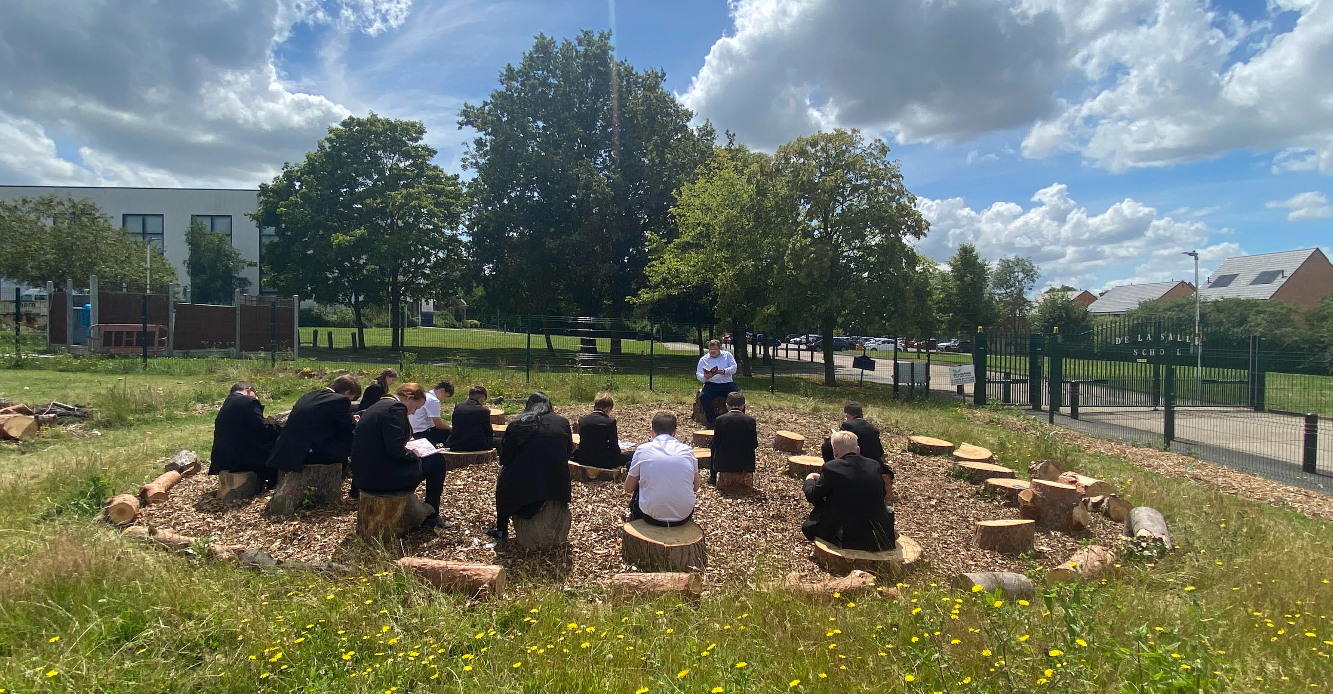
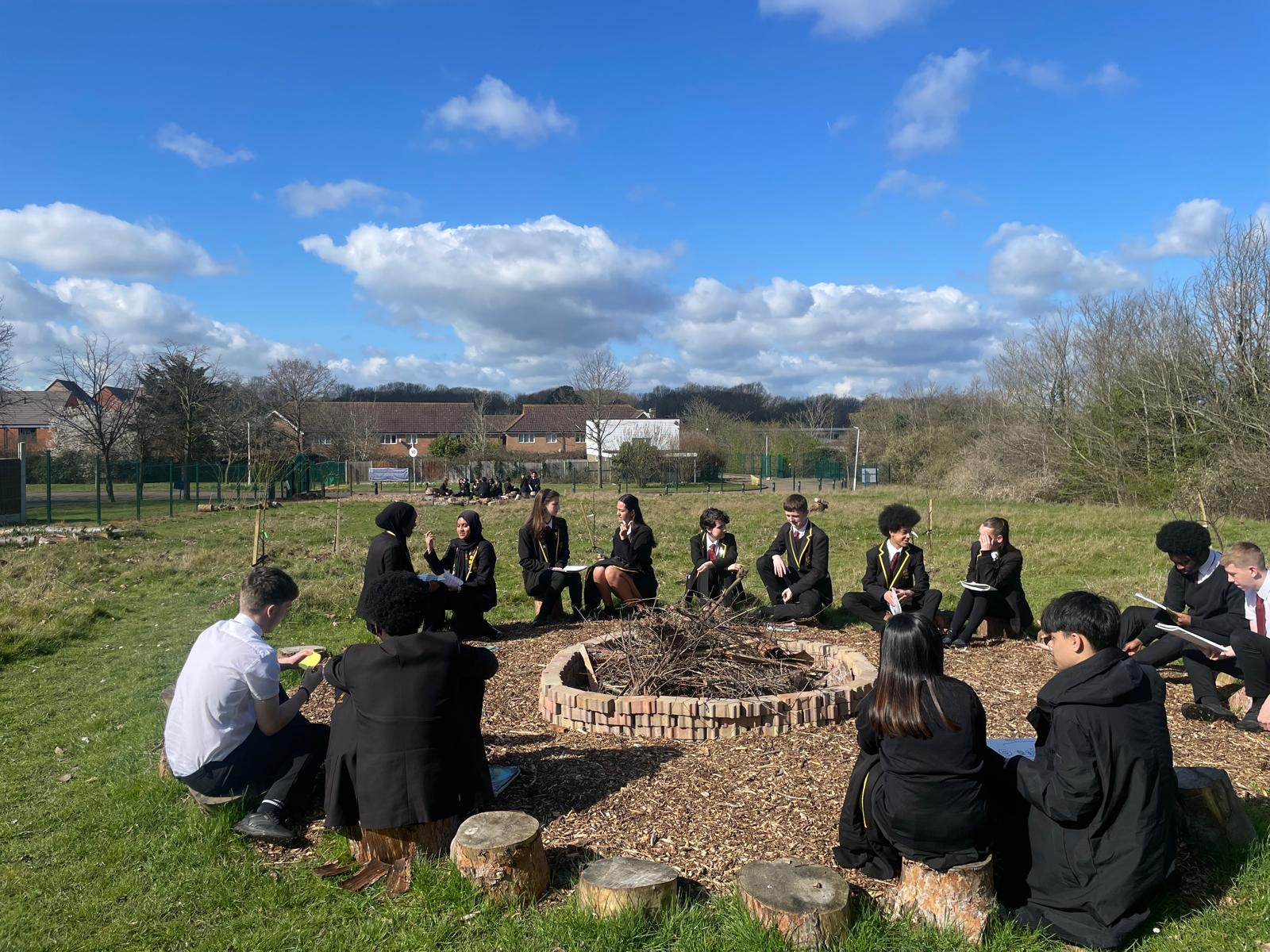
Two outdoor teaching areas are now operational, extending learning beyond the classroom. The kitchen garden has become productive and supports ‘Farm to Fork’ sessions with Catering and Hospitality pupils, who harvest, prepare and cook produce grown in the garden. Twelve local Essex apple varieties have also established the beginnings of an orchard.
The garden has developed into an important pastoral resource. Pupils who are dysregulated can access the space with appropriate supervision, while staff use it as a restorative environment. A dedicated woodland sensory garden has also been created to support SEND and neurodivergent pupils, providing opportunities for sensory exploration, regulation and reflection.
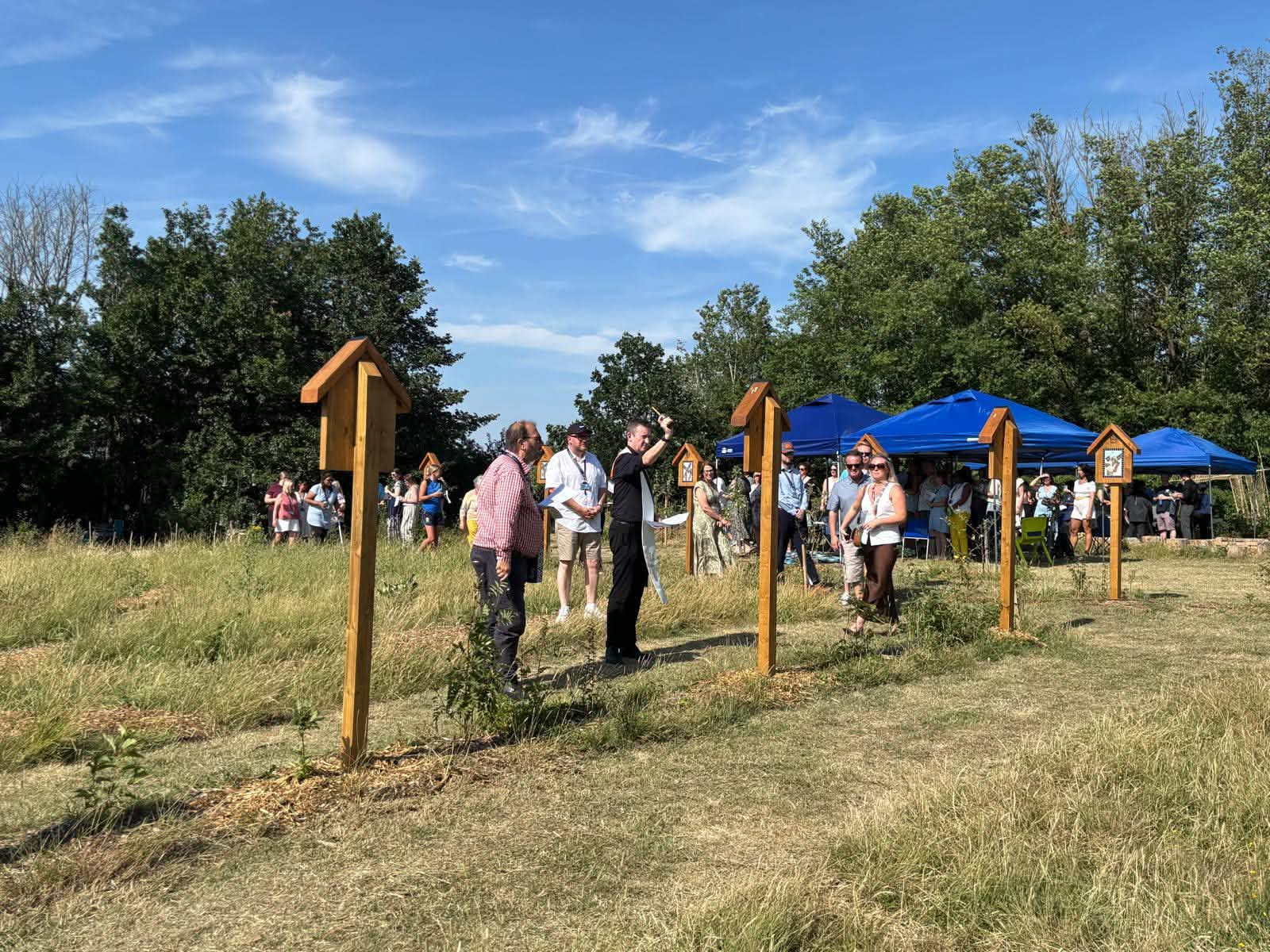
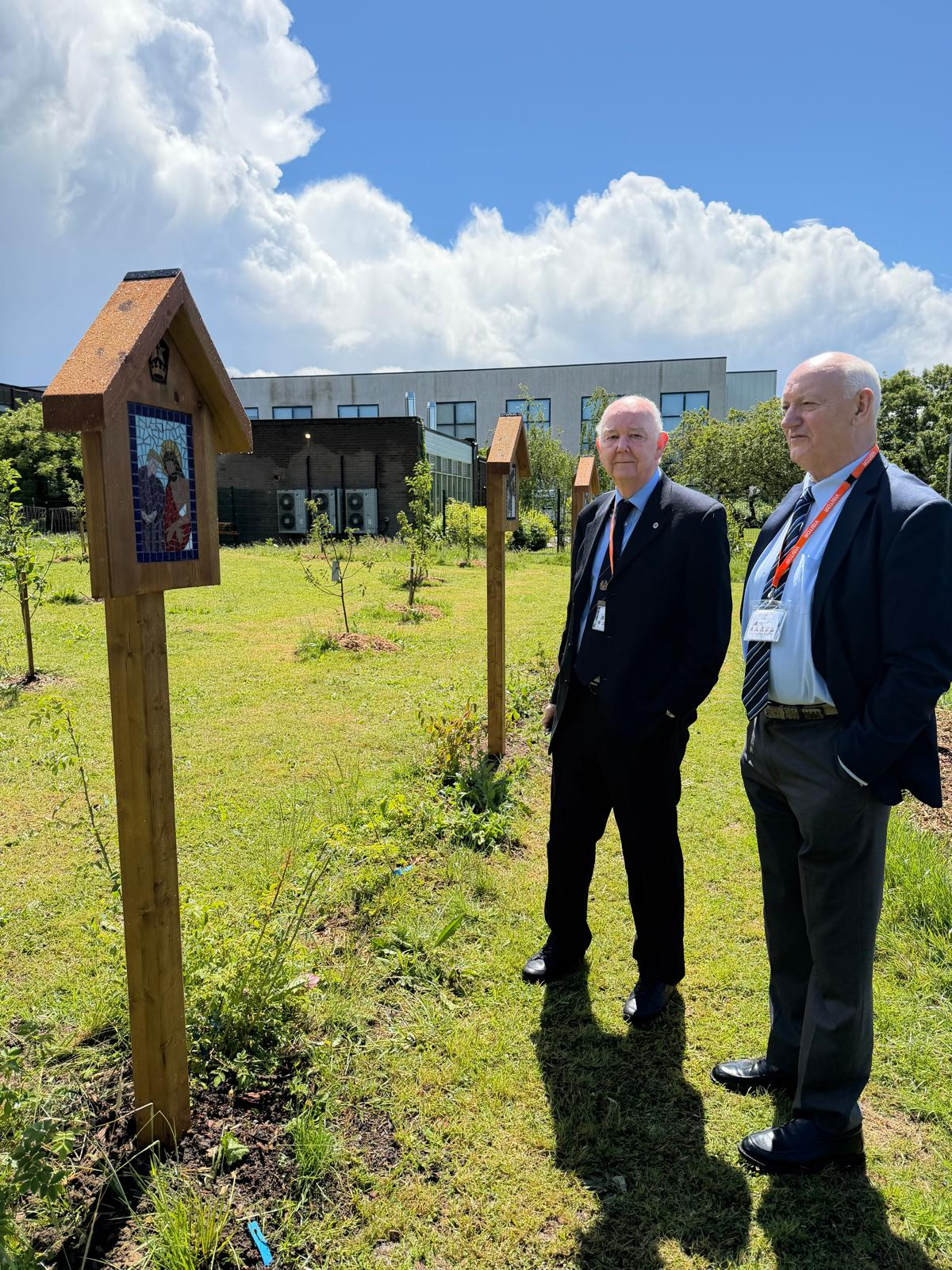
The spiritual dimension of the garden has developed significantly. The prayer and reflection labyrinth has been established, with the central Lasallian statue providing a focal point. The Stations of the Cross mosaics have now been installed in wooden structures created by a local charity supporting ex-offenders. Regular prayer and meditation sessions are held in the garden, and a blessing and commissioning service has formally recognised the space as a place for faith, reflection and community.
The garden has also strengthened its links with the wider Lasallian and local community. The school has welcomed Lasallian Brothers Ben and Michael to see the development, while collaboration with the neighbouring Pioneer School has enabled pupils with severe learning difficulties to participate alongside De La Salle pupils. External partnerships have included Thames Chase and Ford Tractor Plant, who have worked with pupils to develop new areas of the garden. Participation in the RHS Seedling Schools project, and RHS Gardening awards, including visits to RHS Garden Hyde Hall, has further extended pupils' horticultural learning.
These developments demonstrate that the garden is now an established environment supporting spiritual formation, inclusion, wellbeing, practical learning, pupil leadership, care for creation and community engagement.
Future Development
The next phase will focus on extending the woodland areas, enhancing the prayer labyrinth and improving seating within the outdoor classroom. Further opportunities will be developed for collaboration with the Pioneer School, the wider Lasallian community and external organisations.
The long-term aim is for the garden to remain an integral part of school life: a place where pupils can learn, pray, develop their talents, care for creation, support others and experience a genuine sense of belonging.
Timeline:
September 2023 – School Garden Design: the five garden rooms reflect the five Lasallian principles and include spaces for classrooms, allotments counselling, SEN and a prayer Labyrinth.
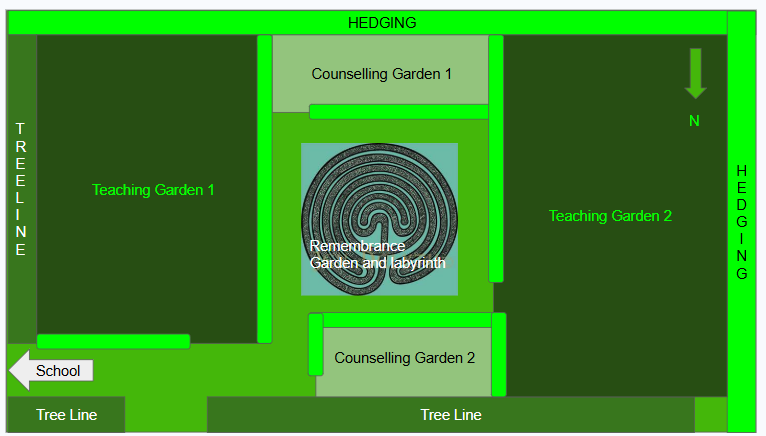
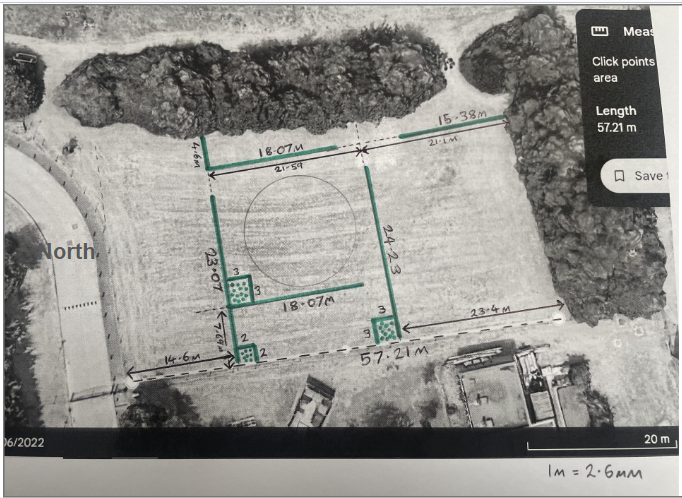
December 2023 - initial marking out and planting woodland trust hedging whips
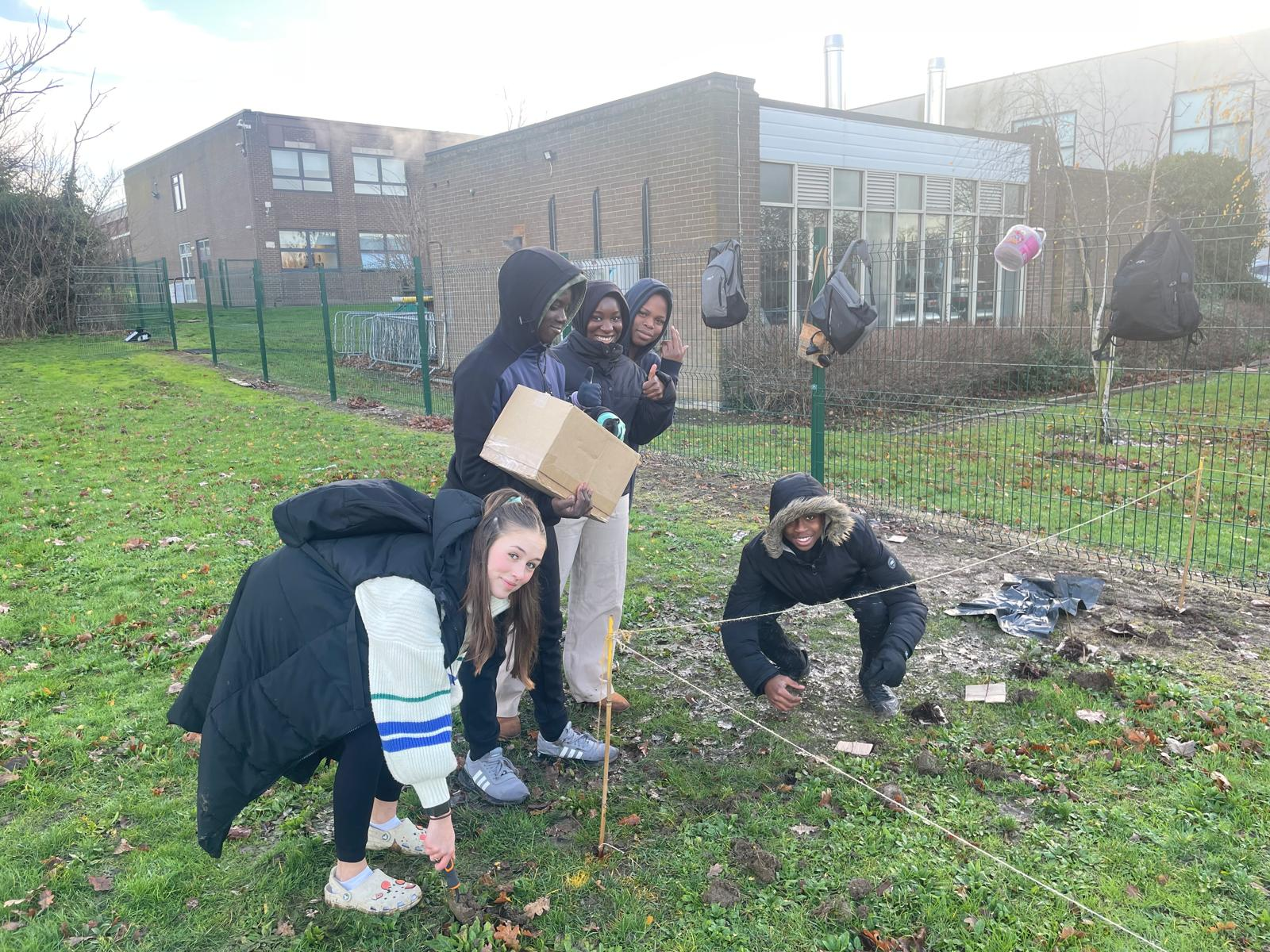
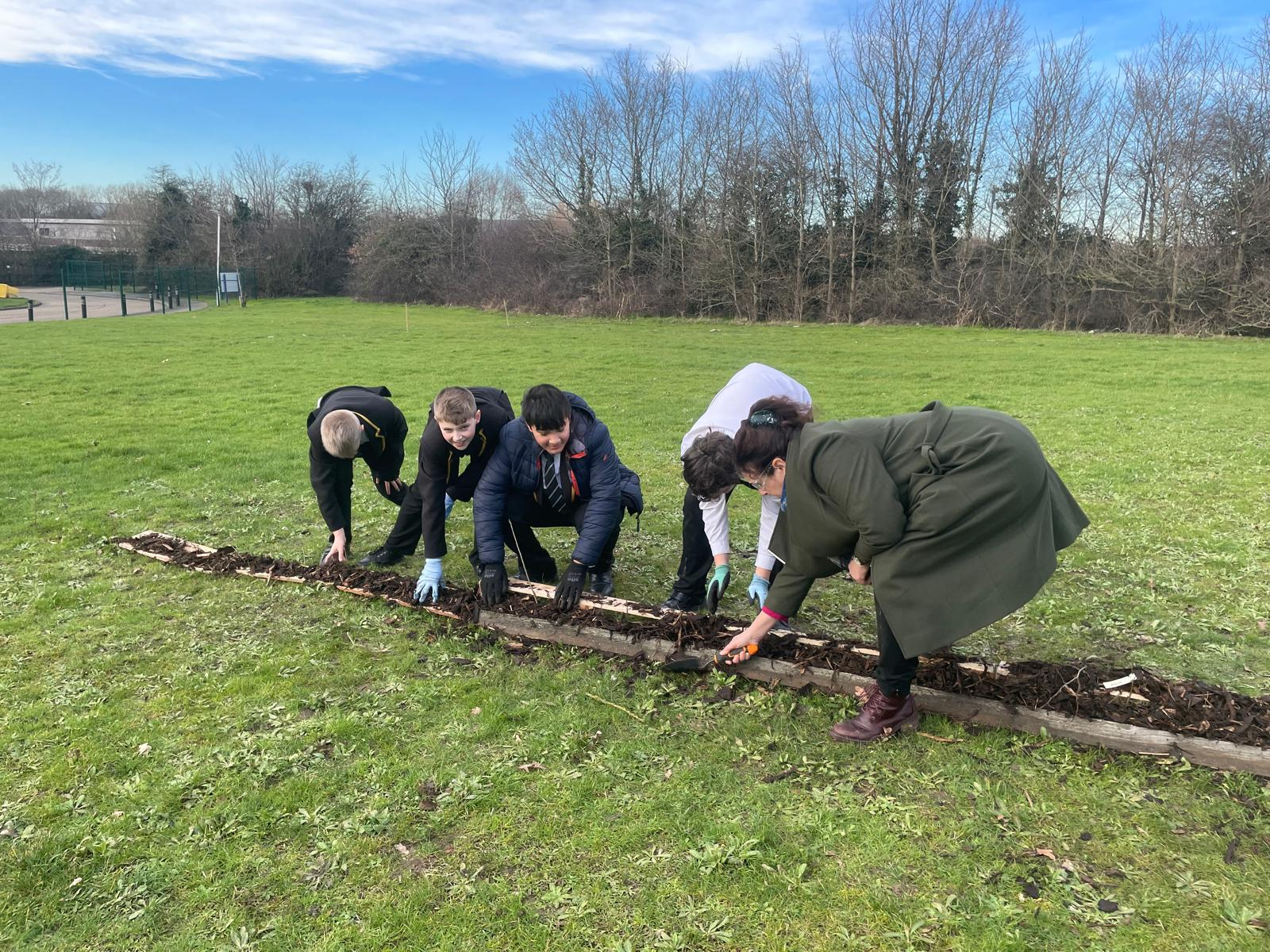
February 2024 – Additional Studies pupils and Gardening Day pupils helping to create Microforests
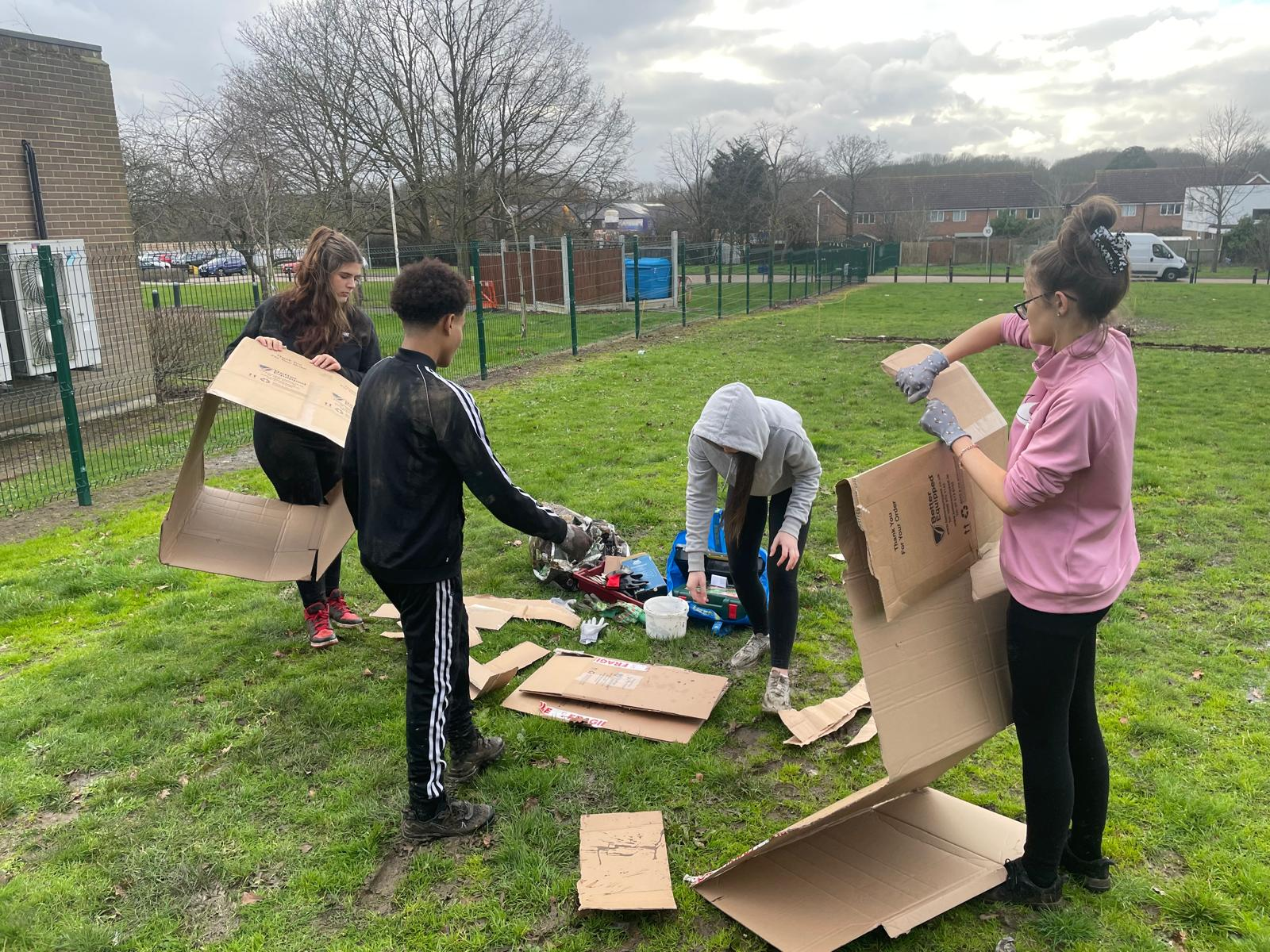
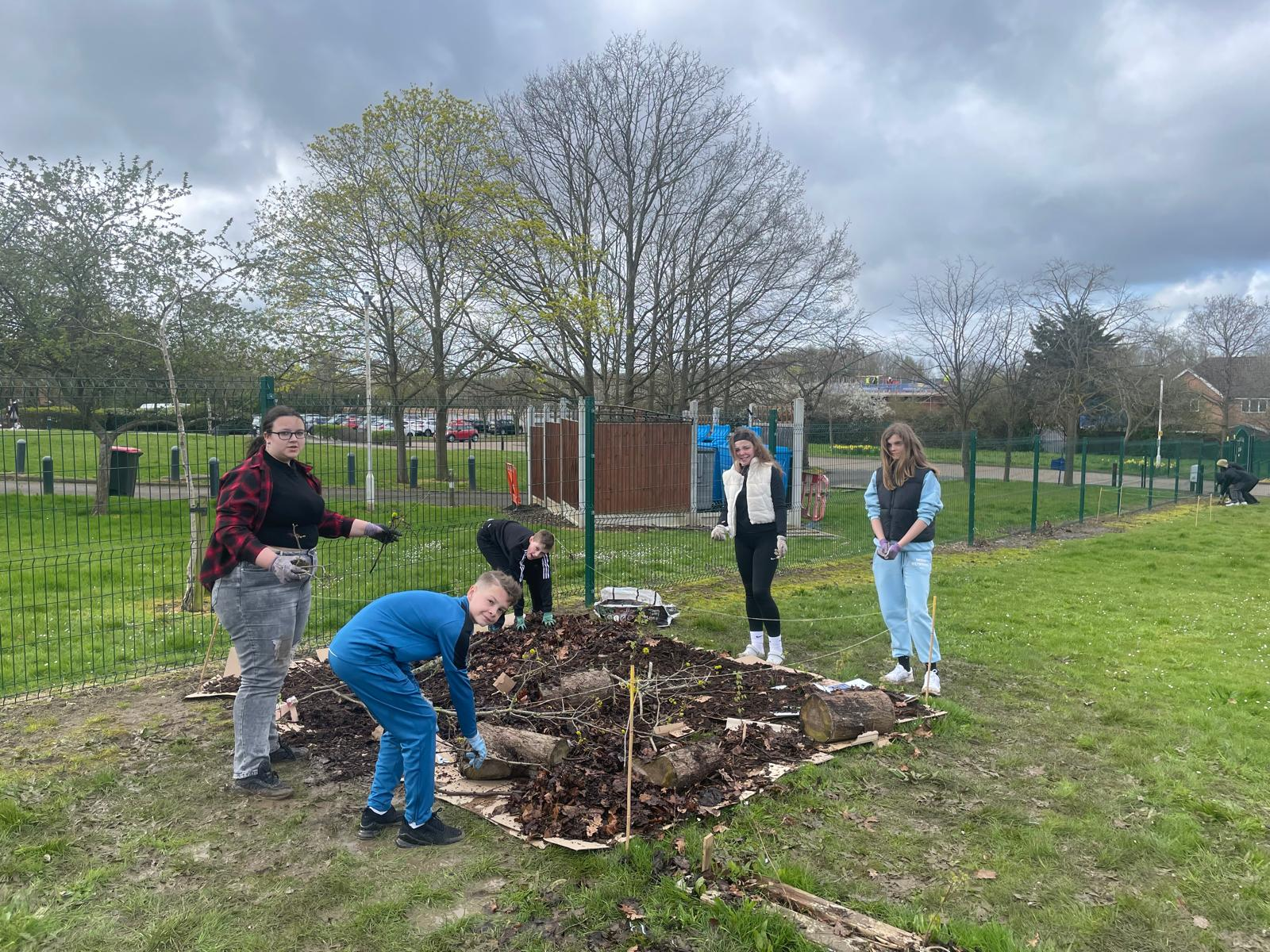
Summer 2024 - Additional hedge planting with the Student Leadership Team and development of raised beds with the gardening club
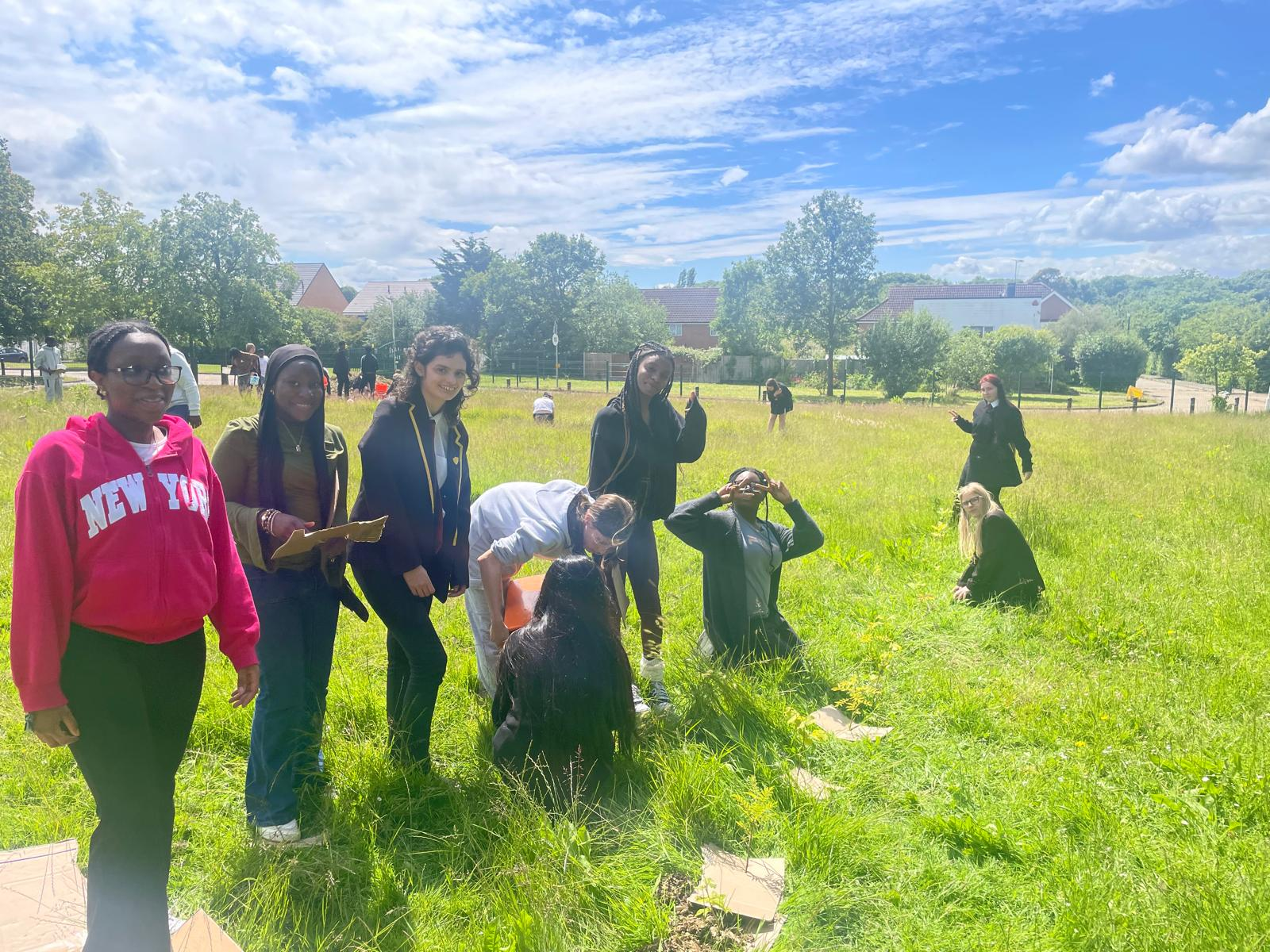
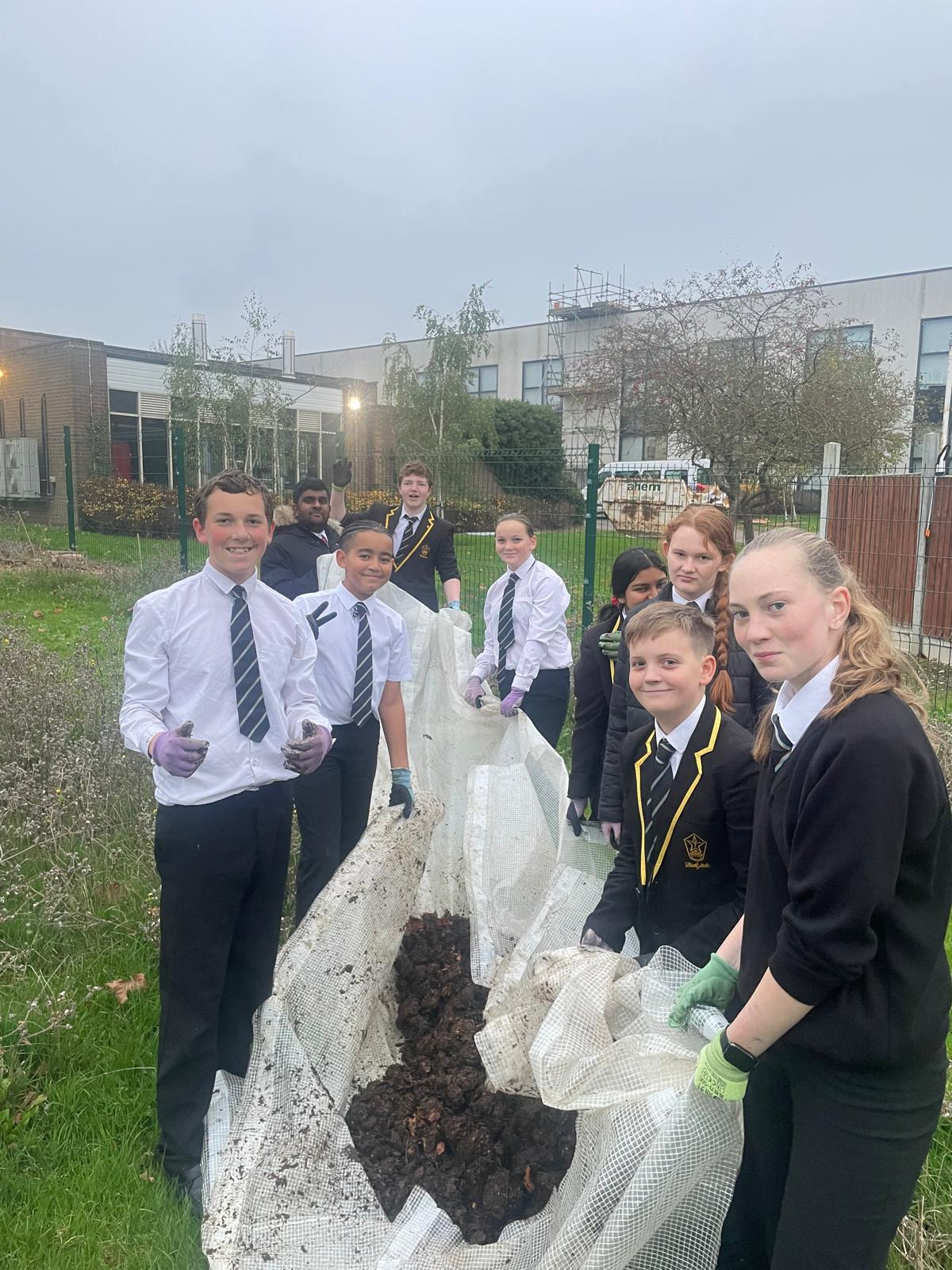
Autumn 2025 - Development of outdoor classrooms on School Gardening Day and Yr11 Additional Studies building Raised beds
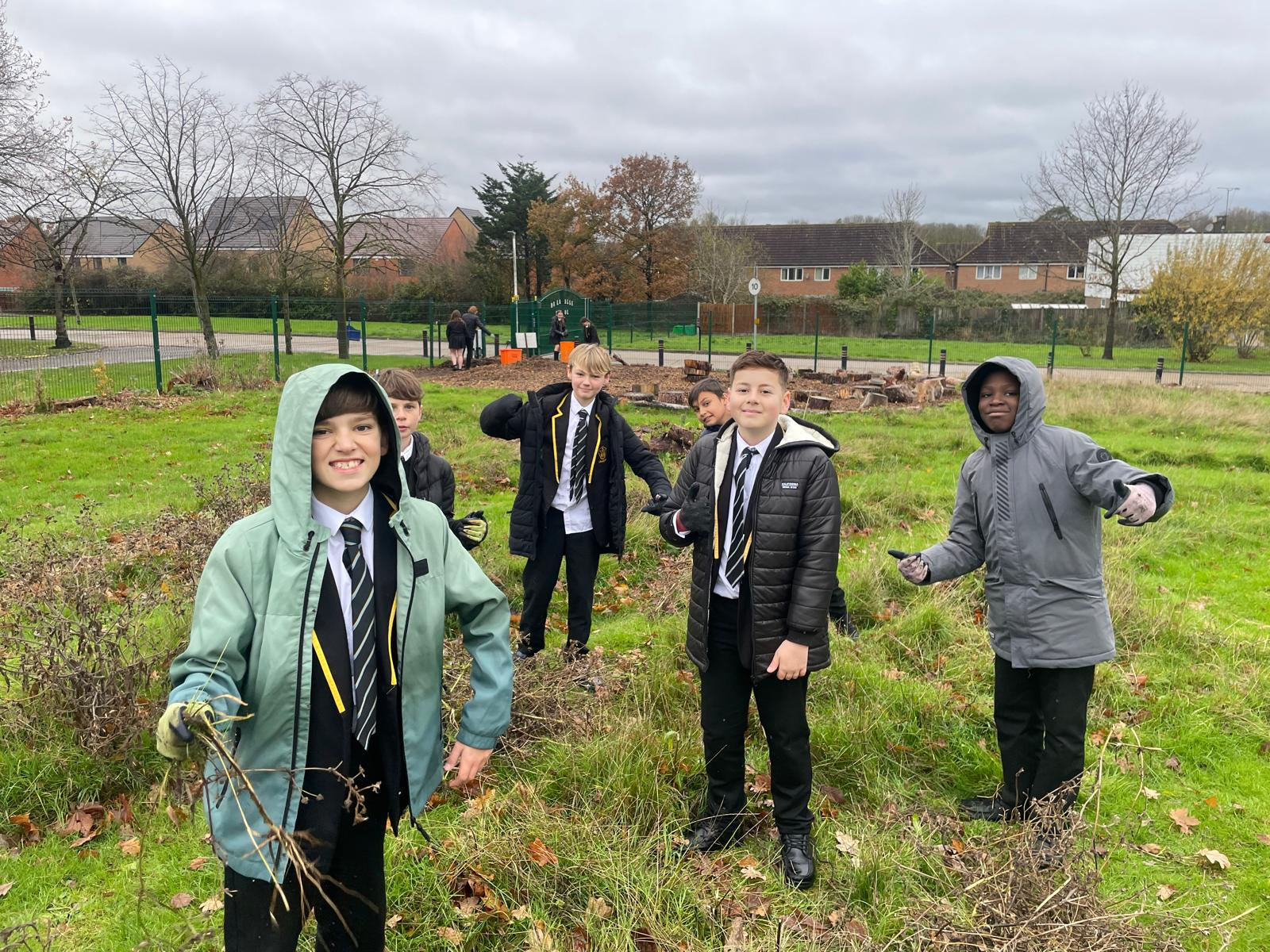
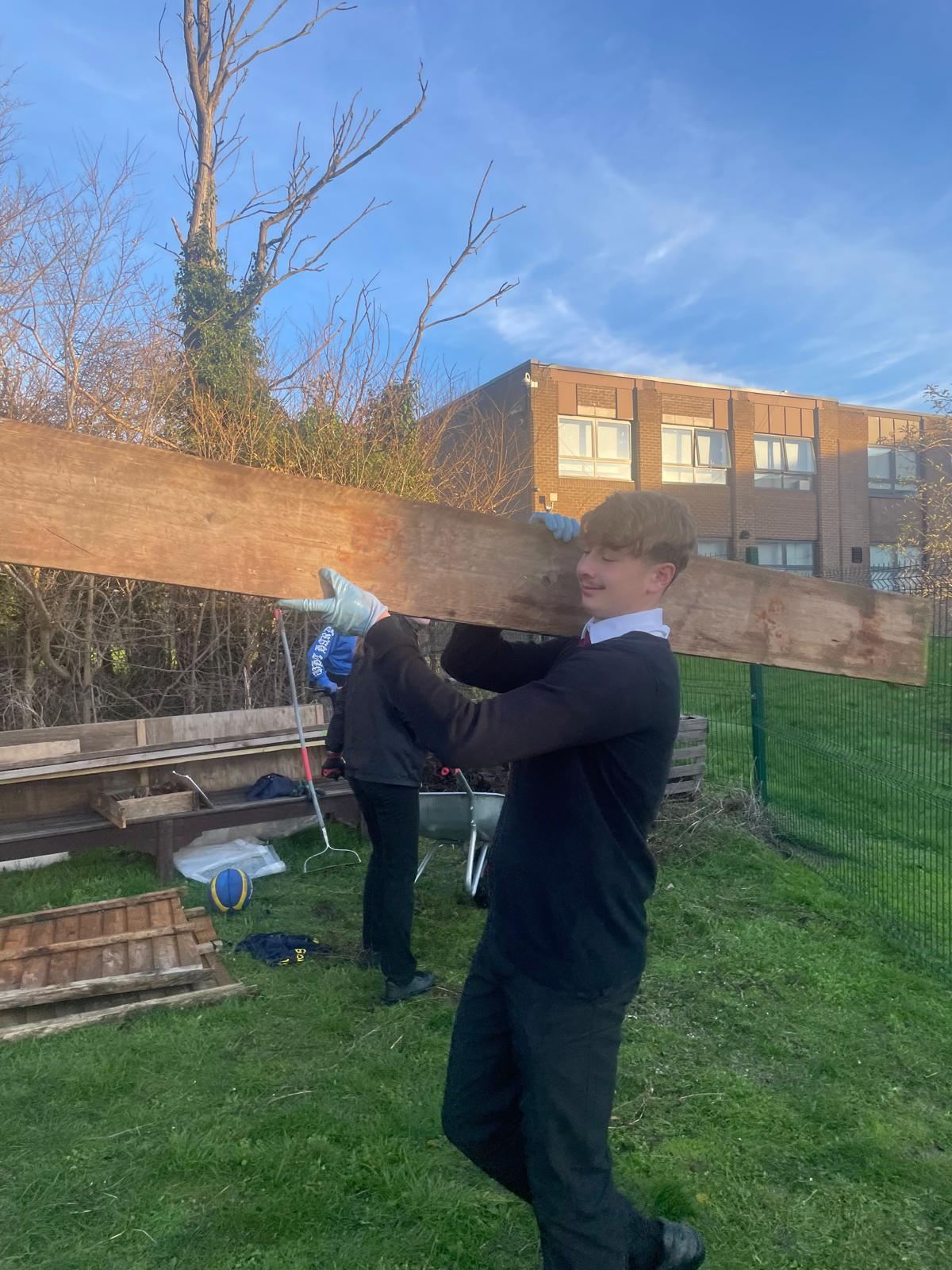
Spring 2025 – Year 11 Triple Science using one outdoor classroom and Yr11 Additional Studies helping to make the wildlife pond
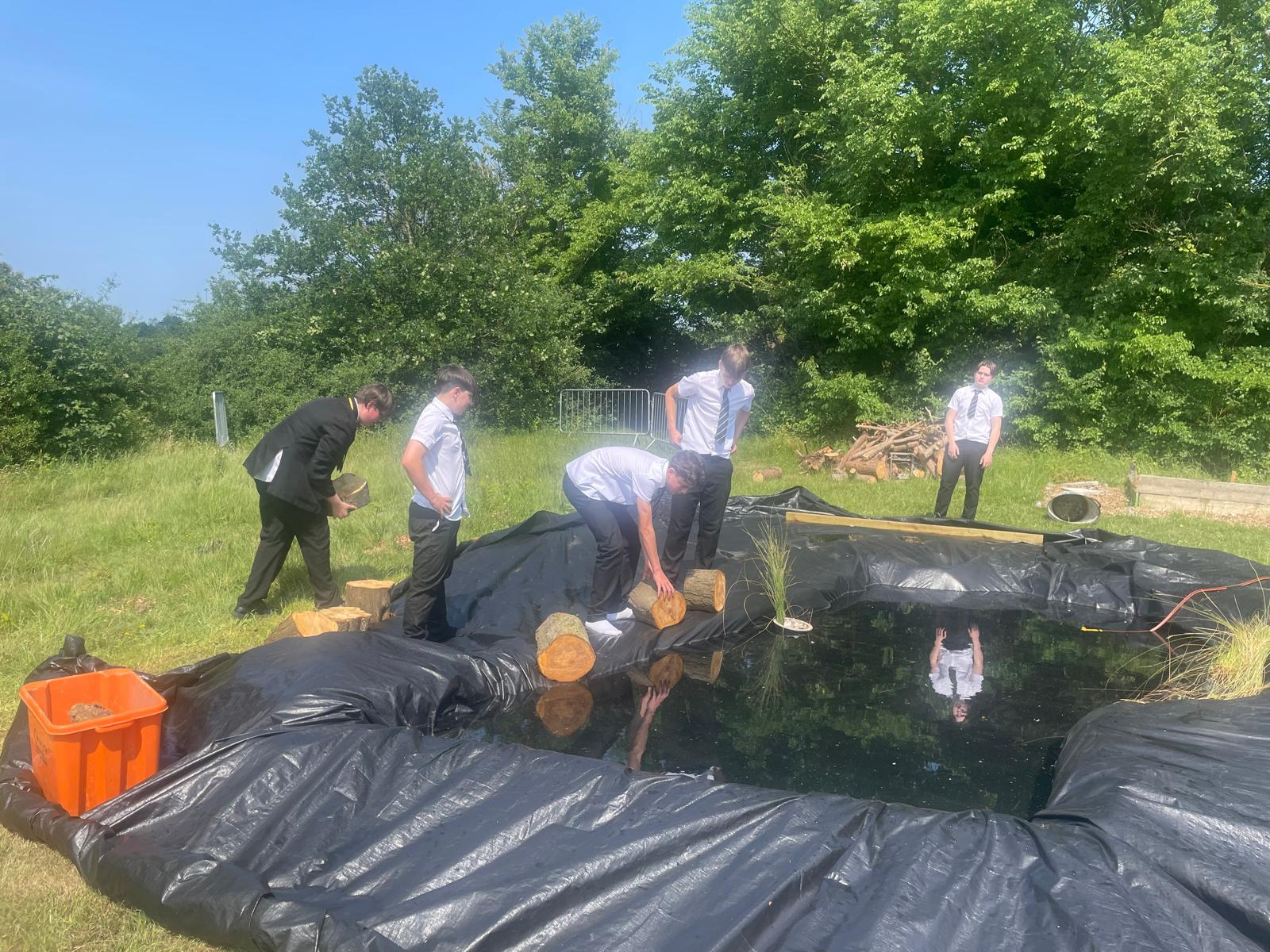
Autumn 2025 - Year11 Additional Studies Helping to build a counselling area and create additional bedding
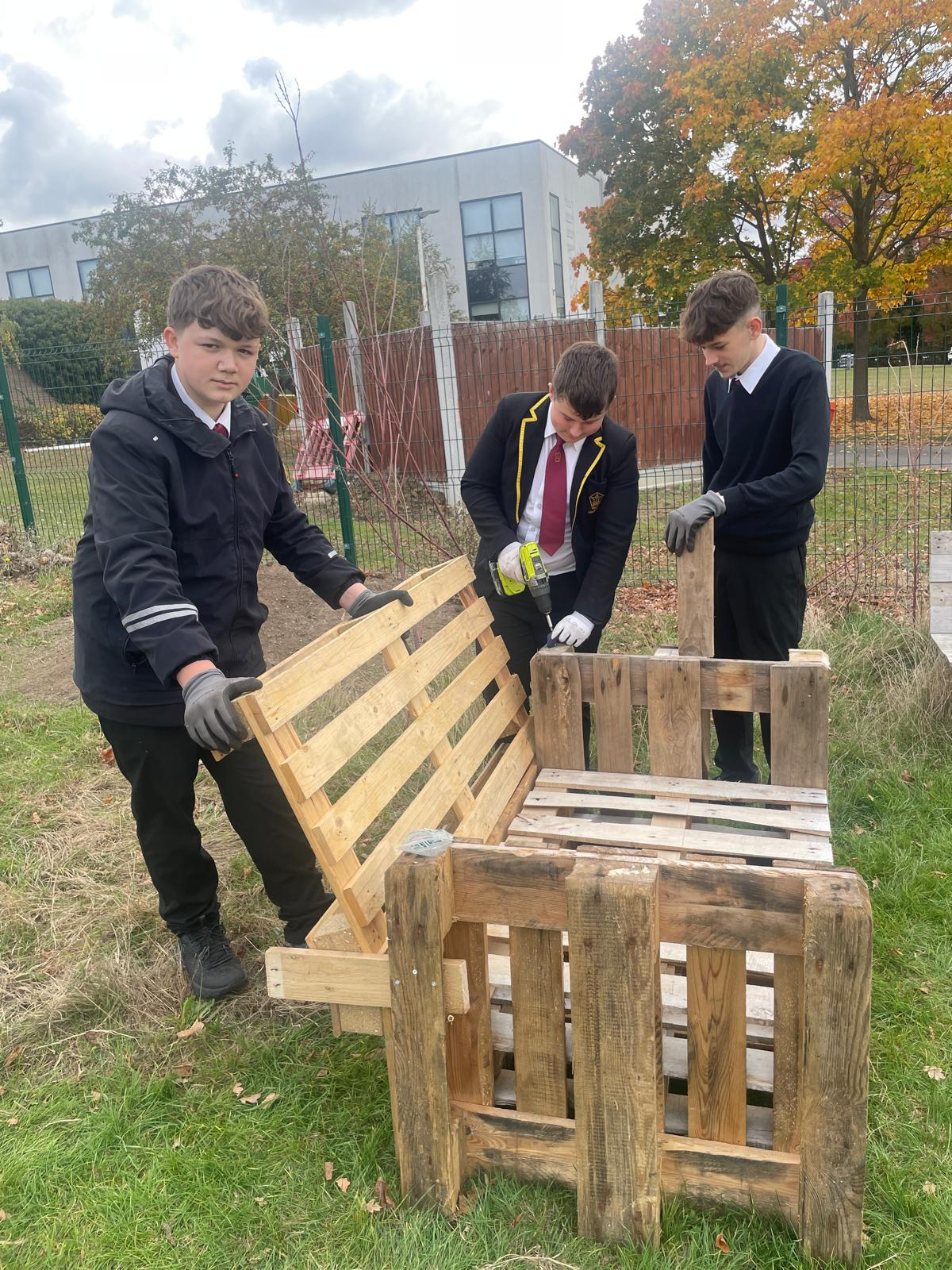
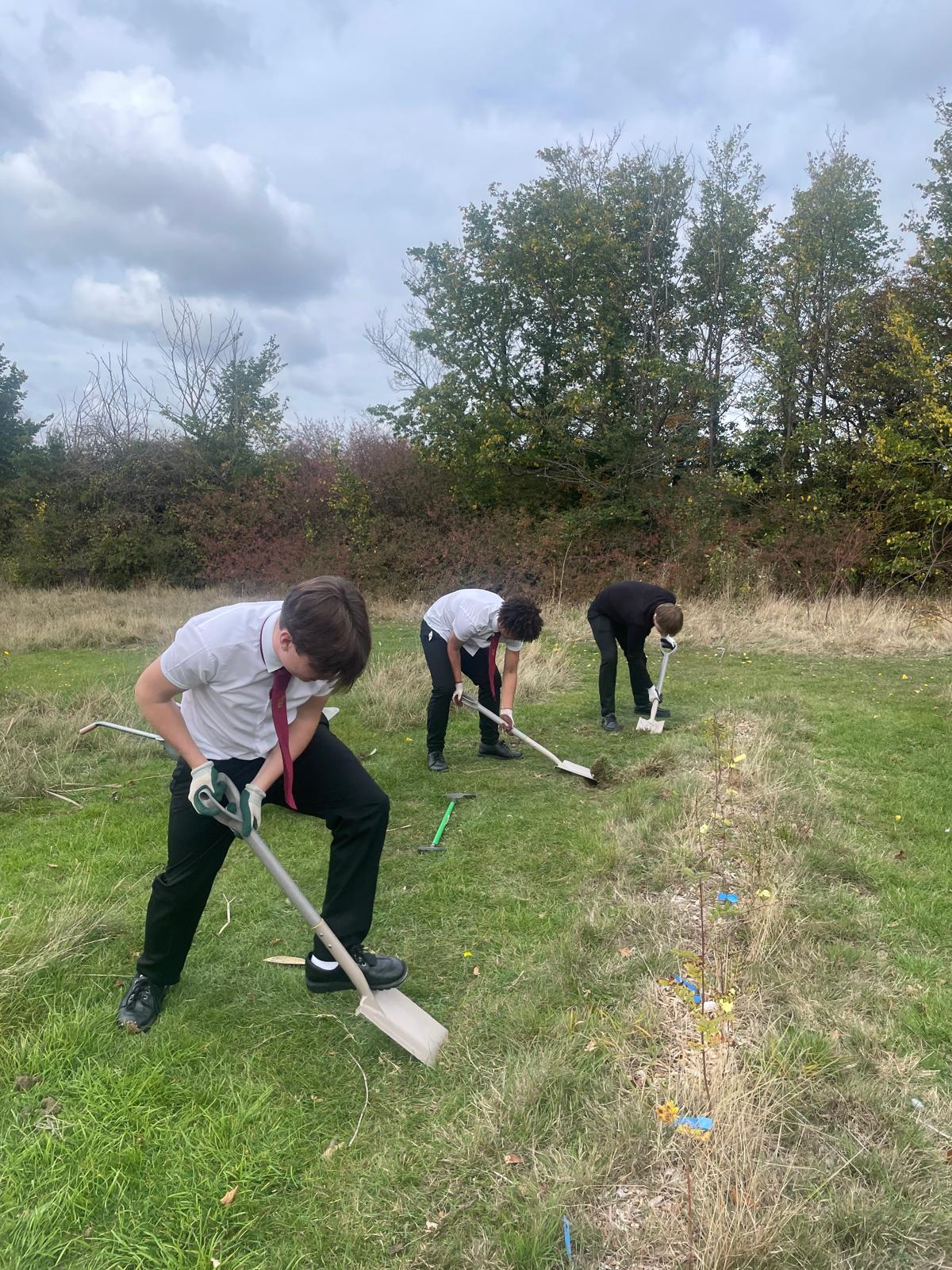
Spring 2026 - Hospitality and Catering pupils participate in ‘ Fork to Fork’
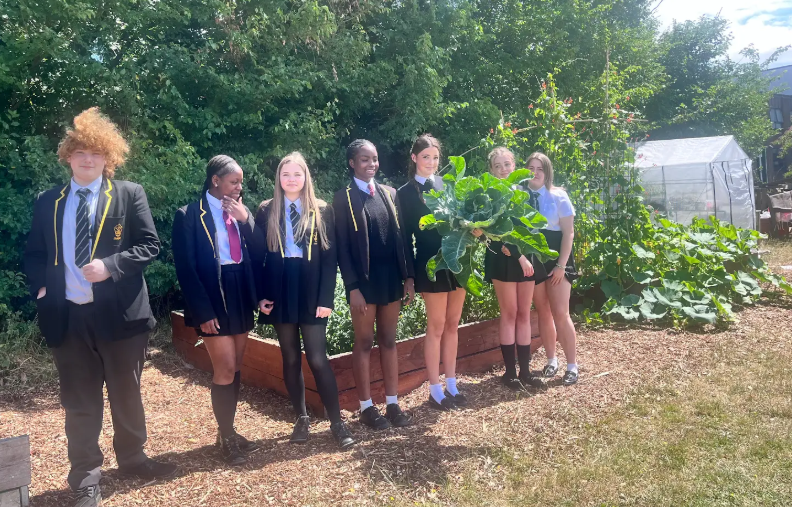
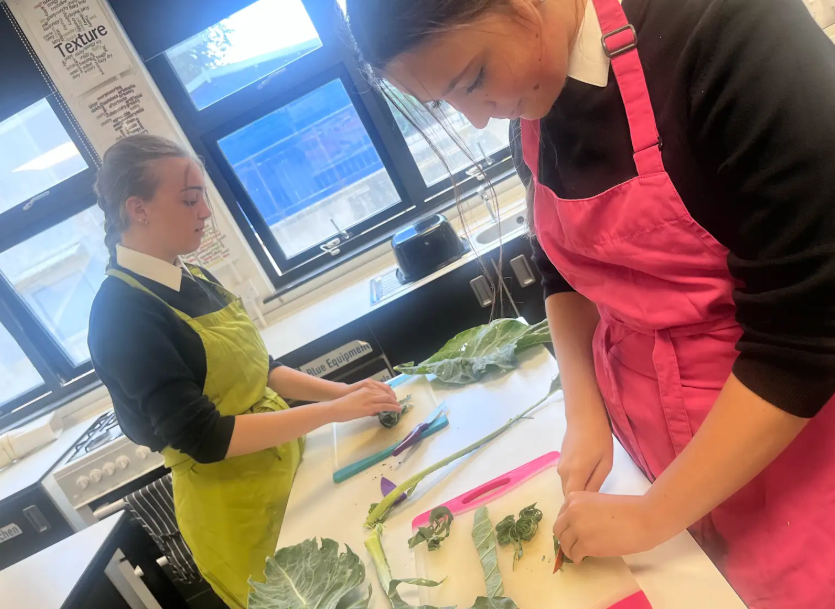
Spring and Summer 2026 – volunteers from Thames Chase and Ford Basildon help to create a dry garden and shelter with 150 pupils during a school gardening day
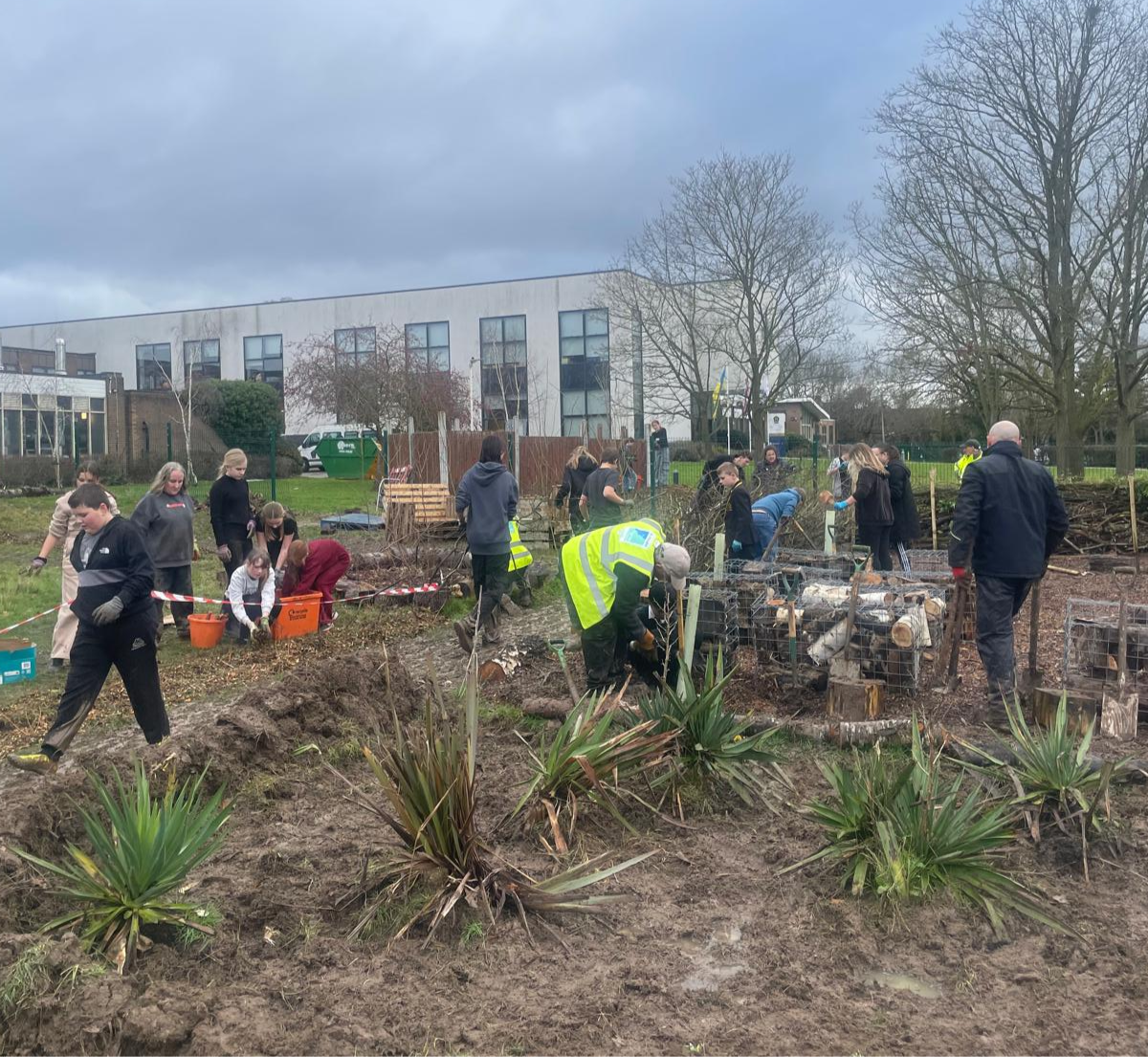
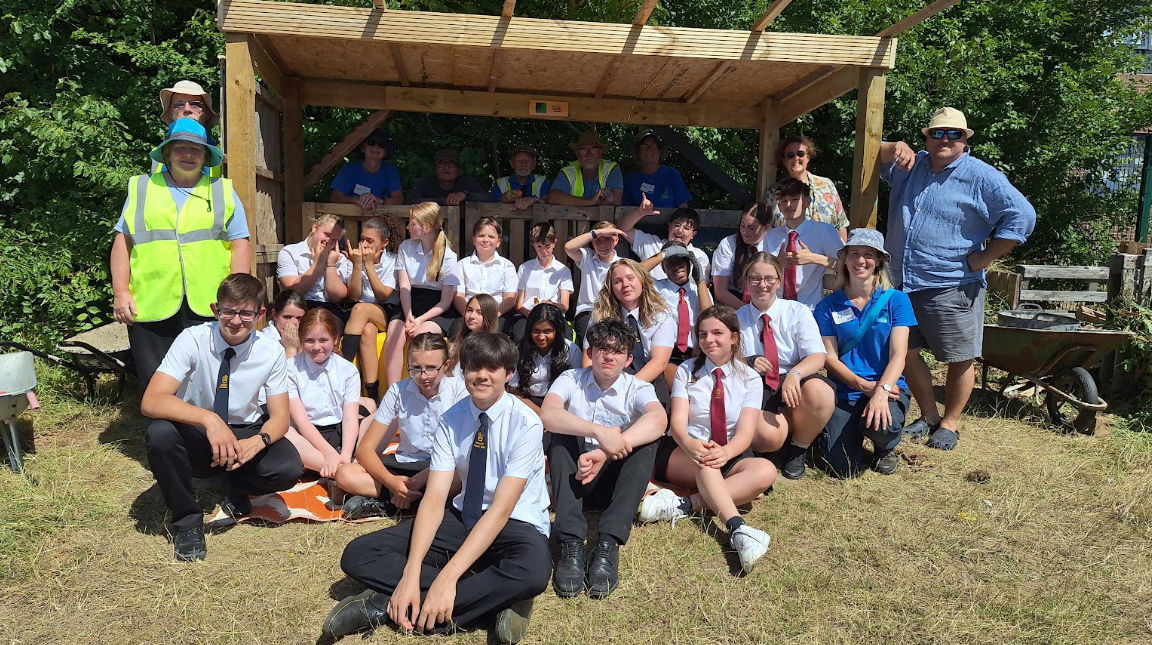
Summer 2026 - visit from MLD Pioneer School pupils for a planting session with Prefects and a visit by Lasallian Brothers to view the newly installed Stations of the Cross
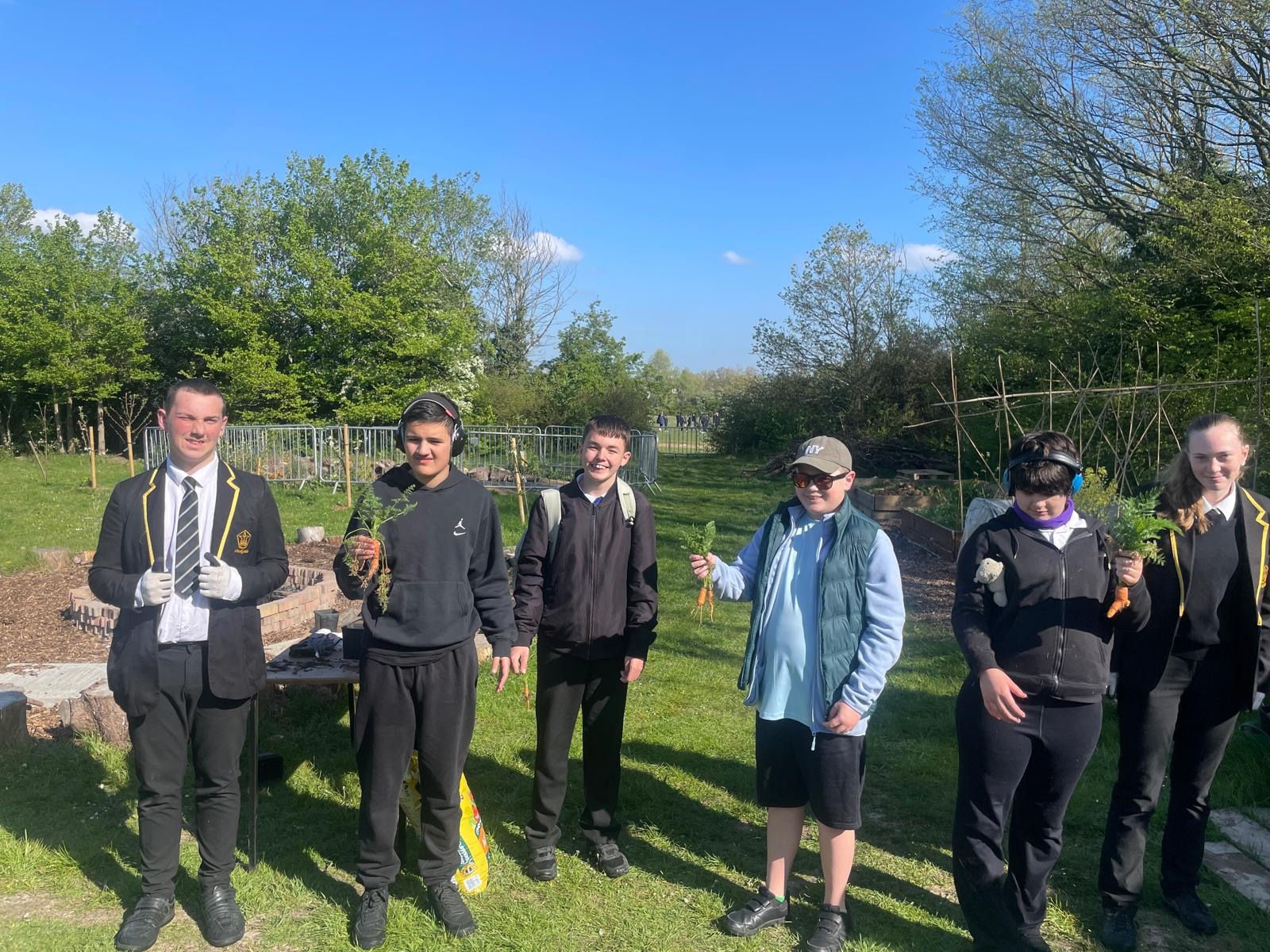
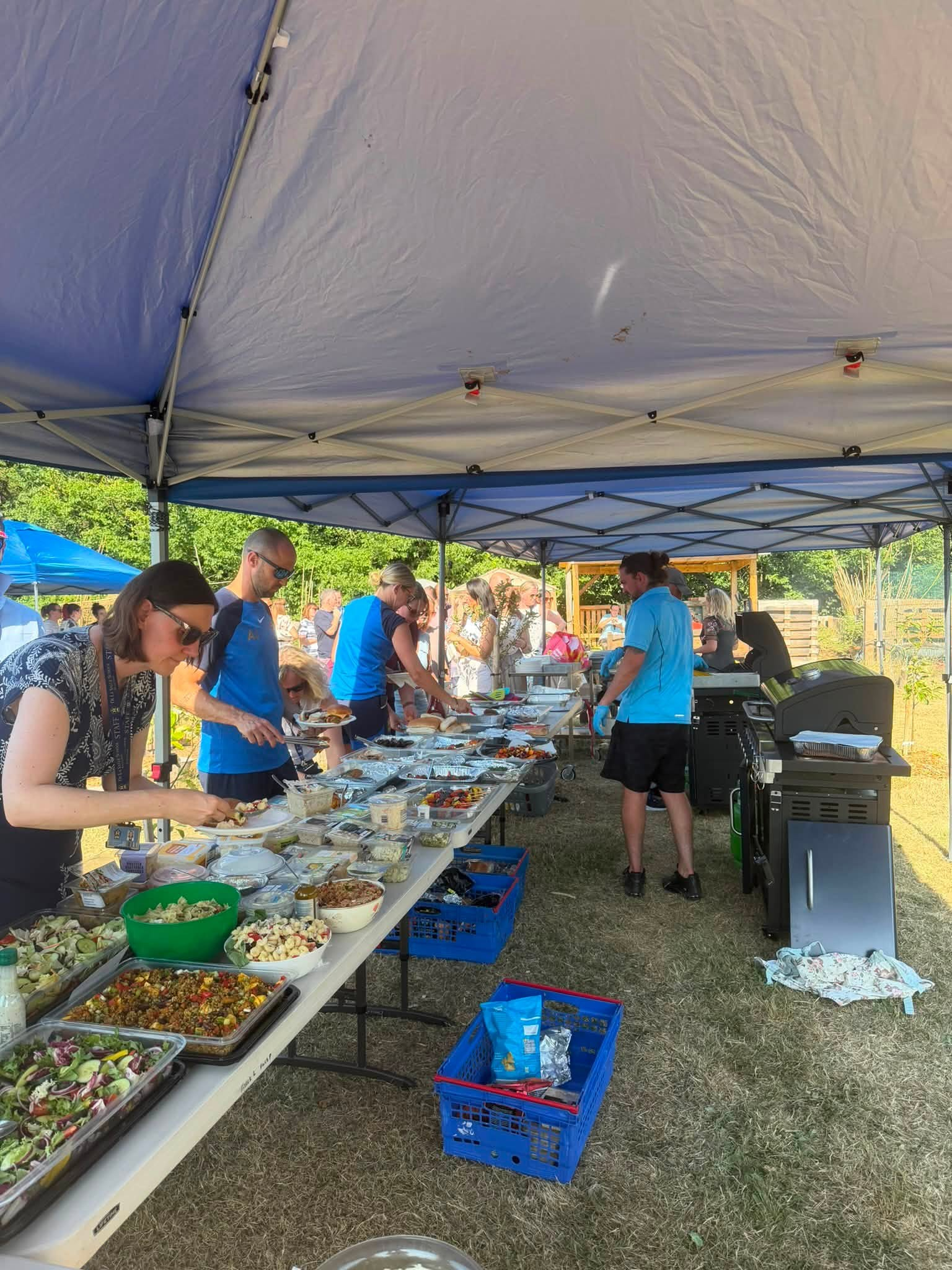
Summer 2026 - Blessing of Stations of the Cross and staff BBQ